
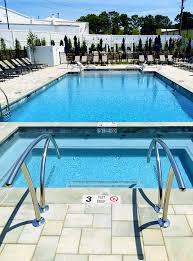
A well-maintained swimming pool is more than just an amenity—it’s a source of relaxation, recreation, and community engagement. Whether you manage a residential complex, a fitness center, or a luxury resort, maintaining pool operations efficiently and safely is essential. However, achieving that balance requires specialized knowledge, skilled staff, and professional oversight.
Professional pool operations focus on ensuring safety, cleanliness, and operational efficiency year-round. With the right management system in place, facilities can reduce operational costs, enhance guest experiences, and maintain compliance with health and safety standards.
The Importance of Professional Pool Operations
Pool operations involve far more than cleaning and chemical balance. They encompass safety protocols, staff management, equipment maintenance, and customer satisfaction. A professional approach ensures every aspect of your pool runs smoothly, minimizing downtime and maximizing enjoyment.
1. Safety First
Safety is the cornerstone of every successful pool facility. Certified lifeguards, safety inspections, and proper chemical management help prevent accidents and health risks.
2. Operational Efficiency
Streamlined maintenance schedules, automated systems, and trained personnel help reduce costs and optimize energy use while ensuring consistent performance.
3. Guest Satisfaction
Clean, comfortable, and well-staffed pools create a positive impression, leading to higher resident retention, better reviews, and improved overall reputation.
Core Elements of Professional Pool Operations
1. Water Quality Management
Proper water chemistry is vital for swimmer health and comfort. Professionals regularly monitor and adjust chlorine levels, pH, and alkalinity to prevent algae, bacteria, and cloudy water.
2. Equipment Maintenance and Repairs
Pumps, filters, heaters, and lighting systems are essential for pool functionality. Regular maintenance reduces breakdowns, saves on replacement costs, and ensures smooth performance.
3. Lifeguard and Staff Training
Qualified staff play a major role in maintaining safety. Professional companies provide certified lifeguards trained in CPR, first aid, and emergency response, ensuring quick and effective action when needed.
4. Seasonal Pool Preparation
Opening and closing a pool for seasonal use require technical precision. Proper winterization prevents damage during colder months, while systematic reopening ensures water safety for the summer.
5. Health Code Compliance
Public and commercial pools must comply with strict local and state regulations. Professional management ensures all safety, signage, and water quality requirements are met, preventing fines and closures.
Benefits of Partnering with Professional Pool Operators
Working with an experienced pool management provider brings numerous advantages that simplify operations and enhance overall facility performance.
1. Expertise and Reliability
Professionals bring years of technical knowledge, industry certifications, and experience handling diverse facilities—from resorts to apartments.
2. Customized Service Plans
Every pool is unique. A professional management partner tailors maintenance schedules and staffing based on pool size, usage, and seasonal demands.
3. Cost Efficiency
Preventive maintenance reduces long-term costs, while professional chemical management minimizes waste and energy use.
4. Advanced Technology Integration
Modern pool management integrates automation for chemical dosing, energy-saving systems, and digital tracking tools for efficient monitoring.
5. Peace of Mind
Property owners and managers can focus on core responsibilities knowing that their pool operations are being handled by trained experts.
How Professional Pool Operations Enhance Safety
1. Continuous Water Monitoring
Professionals use advanced testing tools to detect changes in chemical balance, ensuring safe and clear water at all times.
2. Emergency Preparedness
Certified lifeguards are trained to handle emergencies quickly and effectively, minimizing risks for swimmers.
3. Equipment Inspections
Routine checks prevent malfunctions that could lead to unsafe conditions, such as poor filtration or broken drains.
4. Health and Sanitation Standards
Following CDC and local guidelines ensures compliance and public confidence in pool safety.
Facilities That Benefit from Professional Pool Operations
Professional pool management services are tailored to a wide range of clients, including:
-
Resorts and Hotels – Ensuring guest satisfaction and luxury-level cleanliness.
-
Residential Complexes & HOAs – Offering residents a safe, enjoyable amenity.
-
Fitness Centers & Gyms – Maintaining hygiene and high usage durability.
-
Country Clubs & Spas – Creating premium aquatic experiences.
-
Schools & Universities – Supporting athletics and recreational programs safely.
-
Municipal and Community Pools – Meeting rigorous compliance and safety standards.
Each facility type benefits from customized care plans designed to suit its specific needs, operational hours, and visitor volume.
Technology and Sustainability in Pool Operations
The future of pool operations lies in smart management and eco-friendly practices. Modern technology not only improves safety but also reduces costs and environmental impact.
Smart Monitoring Systems
Automated sensors continuously test water chemistry, temperature, and filtration, sending alerts for any irregularities.
Energy-Efficient Equipment
Variable-speed pumps, LED lighting, and solar heaters reduce energy use and operational expenses.
Sustainable Water Practices
Water conservation systems, like automatic backwash recovery, help minimize waste.
Eco-Friendly Chemicals
Many modern facilities use low-chlorine or saltwater systems that provide gentle, natural sanitization without harsh chemicals.
Common Challenges in Pool Operations
Even with careful management, certain challenges often arise. Partnering with professionals ensures these are addressed promptly and effectively:
-
Unbalanced chemical levels leading to cloudy or unsafe water.
-
Equipment malfunctions affecting circulation and heating.
-
Staff shortages during peak seasons.
-
Regulatory compliance updates and inspections.
-
Unexpected maintenance costs due to neglect or improper care.
Professional operators use proactive strategies and preventive maintenance to eliminate these issues before they disrupt service.
How to Choose the Right Pool Operations Partner
When selecting a company to manage your pool, consider the following:
-
Experience & Certifications – Verify industry credentials and years in operation.
-
Comprehensive Services – Ensure they cover cleaning, maintenance, staffing, and compliance.
-
Reputation & Reviews – Check testimonials and local references.
-
Flexible Contracts – Look for seasonal and annual service plans to match your needs.
-
Local Expertise – A local team understands climate, regulations, and community expectations better.
A trusted partner offers transparent communication, consistent performance, and proactive care that protects your investment.
Conclusion
Efficient, safe, and compliant pool operations are essential to maintaining an enjoyable aquatic environment. From water chemistry and staff training to technology integration and sustainability, professional oversight ensures every aspect of your pool is properly managed.
Partnering with experts in Swimming Pool Management guarantees operational excellence, safety assurance, and peace of mind for both facility managers and swimmers.
FAQs
1. What do professional pool operators do?
They handle daily maintenance, chemical monitoring, staffing, compliance, and safety management for pools of all sizes.
2. Why should facilities hire pool management professionals?
Professionals ensure water safety, equipment reliability, and compliance with local health codes, reducing risks and downtime.
3. Are these services suitable for residential communities?
Yes. Many residential complexes and HOAs use professional pool operators for consistent quality and maintenance.
4. Do pool management companies provide seasonal services?
Absolutely. They offer complete opening, closing, and year-round maintenance packages.
5. How can I reduce operational costs for my pool?
By using energy-efficient equipment, preventive maintenance, and expert water management systems.