
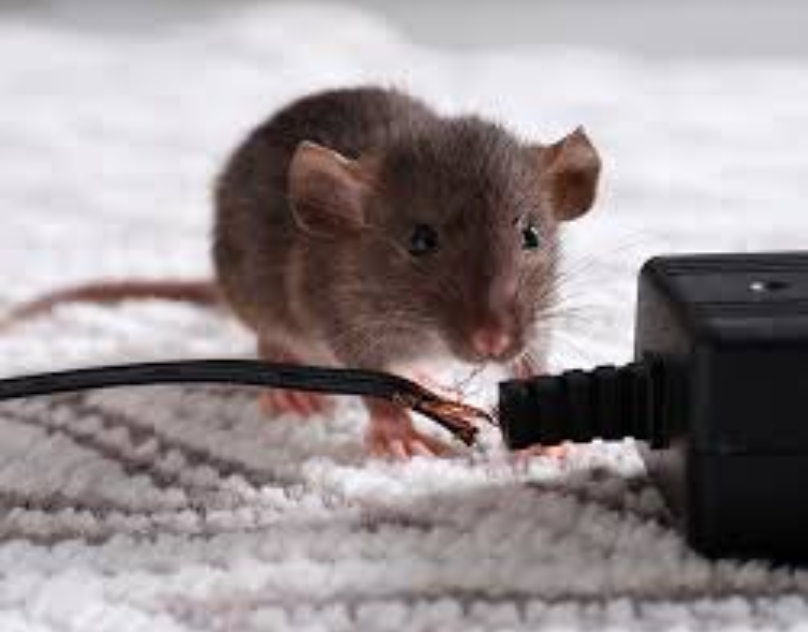
Rodents and wildlife can cause serious problems for homeowners, businesses, and property managers. While these animals are often part of the natural ecosystem, their presence in and around human spaces can lead to structural damage, health risks, and significant inconvenience. Effective rodent and wildlife control requires a combination of inspections, targeted removal, preventive measures, and ongoing monitoring. By addressing infestations proactively, property owners can protect their investments, maintain safety, and ensure peace of mind.
Understanding the Threats
Rodents, including rats and mice, are highly adaptable pests capable of thriving in urban, suburban, and rural environments. They can chew through wood, insulation, and even electrical wiring, posing fire hazards and structural risks. Beyond physical damage, rodents carry harmful pathogens, including hantavirus, leptospirosis, and salmonella, which can be transmitted to humans and pets through droppings, urine, or bites.
Wildlife, such as raccoons, squirrels, opossums, and skunks, can also create significant issues. These animals may enter attics, crawl spaces, garages, and basements, nesting in secluded areas and causing noise disturbances. Wildlife can damage roofs, siding, insulation, and landscaping. Additionally, they often carry parasites like fleas, ticks, and mites, which can spread disease and create health hazards for humans and pets.
Inspection: The First Step in Control
A thorough inspection is the foundation of any effective rodent and wildlife control program. Professionals start by identifying signs of activity, including droppings, tracks, gnaw marks, nests, and food or water sources. Entry points, such as gaps in walls, vents, chimneys, and rooflines, are carefully examined to determine how animals are accessing the property. Environmental factors, including cluttered yards, standing water, and overgrown vegetation, are assessed as potential attractants.
During the inspection, technicians also identify the species involved. Different animals require different control methods, and understanding their behavior, nesting habits, and reproduction patterns is essential for successful management. For instance, raccoons are nocturnal and highly intelligent, often requiring specialized humane traps and exclusion methods, while rodents may be controlled effectively using bait stations and traps combined with environmental modifications.
Targeted Removal and Exclusion
Once the infestation is assessed, professionals implement targeted removal strategies. For rodents, this may include snap traps, electronic traps, live traps, and carefully applied rodenticides. Bait stations are often used to ensure that rodents consume the product safely and effectively. For larger wildlife, humane capture and relocation methods are commonly employed, following local wildlife regulations and ethical standards.
Exclusion is a crucial component of rodent and wildlife control. After animals are removed, professionals seal entry points, repair damage, and install barriers to prevent future intrusion. Measures include sealing gaps around doors, vents, and chimneys, reinforcing attic vents, installing chimney caps, and repairing damaged siding or rooflines. Exclusion not only protects the property but also reduces the risk of reinfestation, creating a long-term solution for homeowners and businesses.
Sanitation and Environmental Management
Environmental management is essential for reducing the attractiveness of a property to rodents and wildlife. Proper sanitation, including securely storing food, removing garbage promptly, and maintaining clean storage areas, is critical. Eliminating standing water, trimming overgrown trees, and clearing debris around the property removes potential nesting sites. These preventive measures complement removal and exclusion efforts, ensuring that animals are less likely to return.
Landscaping adjustments also play a significant role. Keeping branches away from roofs and trimming hedges can prevent squirrels, raccoons, and other wildlife from accessing buildings. Removing compost piles or relocating them away from structures reduces food sources for rodents and wildlife. By addressing environmental factors, property owners minimize opportunities for pests to thrive while making other control measures more effective.
Health and Safety Considerations
Rodent and wildlife infestations pose significant health risks. Rodents can contaminate food and surfaces, while wildlife may carry parasites that transmit diseases such as Lyme disease or leptospirosis. Professionals take precautions to ensure safe removal, including wearing protective equipment, using proper sanitation techniques, and following industry standards. Safe handling and disposal of animal waste, traps, and contaminated materials are critical to preventing disease transmission.
In addition to health considerations, property safety is a priority. Rodents chewing on wiring can create fire hazards, while wildlife nesting in attics can damage insulation, wiring, and roof structures. Prompt intervention not only eliminates immediate threats but also prevents long-term property damage and costly repairs.
Ongoing Monitoring and Prevention
Rodent and wildlife control is not a one-time task. Continuous monitoring is essential to detect new activity and prevent reinfestation. Professionals recommend regular inspections, particularly in high-risk areas such as attics, basements, and crawl spaces. Maintenance of exclusion measures and ongoing sanitation practices ensures that properties remain secure against future invasions.
For commercial properties, ongoing monitoring helps maintain compliance with health regulations and protects employees, customers, and assets. Restaurants, warehouses, offices, and healthcare facilities are especially vulnerable to infestations, and proactive control measures can prevent reputational damage and regulatory fines.
Technology and Innovation in Control
Modern rodent and wildlife control incorporates advanced technologies to improve effectiveness and safety. Motion-activated cameras, smart traps, infrared detection, and digital monitoring tools help identify animal activity quickly and accurately. These innovations allow professionals to respond promptly, apply targeted treatments, and reduce unnecessary exposure to chemicals or hazards. Technology enhances inspection accuracy, treatment efficiency, and long-term monitoring, ensuring better outcomes for property owners.
Conclusion
Rodent and wildlife control is essential for protecting property, health, and safety. Effective programs combine thorough inspections, targeted removal strategies, exclusion, environmental management, and ongoing monitoring. By understanding the behavior and needs of specific animals, professionals can implement humane and effective control measures that prevent reinfestation. Property owners benefit from reduced damage, minimized health risks, and peace of mind knowing their homes or businesses are secure. Investing in professional rodent and wildlife control ensures a safe, clean, and comfortable environment while preserving the integrity of structures and surrounding property.
Keywords: Rodent control, wildlife removal, pest management, humane animal control, property protection, animal exclusion, rodent infestation, wildlife inspection, health safety, preventive pest control.