
Ever caught yourself avoiding certain outfits because of those pesky lines on your skin? Do you find yourself wondering if there’s actually anything that works to fade stretch marks? You’re definitely not alone in this. Stretch marks affect up to 80% of people at some point in their lives, and they’re one of the most common skin concerns that bring people through clinic doors across Australia.
Here’s the thing – stretch marks are completely natural, and there’s absolutely no medical reason to treat them. But if they’re affecting your confidence or making you feel self-conscious, that’s valid too. The good news is that laser technology has come a long way, offering real results for those who want to minimise the appearance of these marks.
In this guide, we’ll walk you through everything you need to know about laser stretch mark removal. From understanding what causes stretch marks in the first place, to what happens during treatment, costs involved, and whether it’s the right choice for you. We’ll also compare laser treatment to other options so you can make an informed decision. Let’s get into it.
What Are Stretch Marks and What Causes Them?
The Science Behind Stretch Marks
Stretch marks – or striae, if we’re being technical – happen when your skin stretches or shrinks rapidly. This sudden change causes the collagen and elastin fibres in your skin to rupture. As your skin heals, these marks appear. Think of it like stretching a rubber band too quickly – it loses its snap.
When stretch marks first appear, they’re usually red, purple, or pink. This is because the blood vessels beneath your skin are showing through. Over time, they fade to a silvery-white colour as the blood vessels contract. The texture also changes, often feeling slightly raised or indented compared to surrounding skin.
Common Causes: Pregnancy, Weight Changes, and Growth Spurts
Pregnancy is probably the most well-known cause. As your belly expands to accommodate a growing baby, the skin stretches beyond its normal capacity. Weight fluctuations – both gaining and losing – can have the same effect. Bodybuilders often notice stretch marks from rapid muscle growth too.
Teenagers frequently develop stretch marks during growth spurts. Hormonal changes during puberty can also weaken skin fibres, making them more susceptible. Certain medications, particularly corticosteroids, can decrease your skin’s ability to stretch without marking.
Why Some People Get Stretch Marks and Others Don’t
Genetics plays a massive role here. If your mum had stretch marks, you’re more likely to develop them too. Skin type matters as well – those with less natural elasticity tend to be more prone. Hormone levels, particularly cortisol, affect collagen production and influence your likelihood of developing stretch marks.
Can Laser Treatment Really Remove Stretch Marks?
How Laser Stretch Mark Removal Works
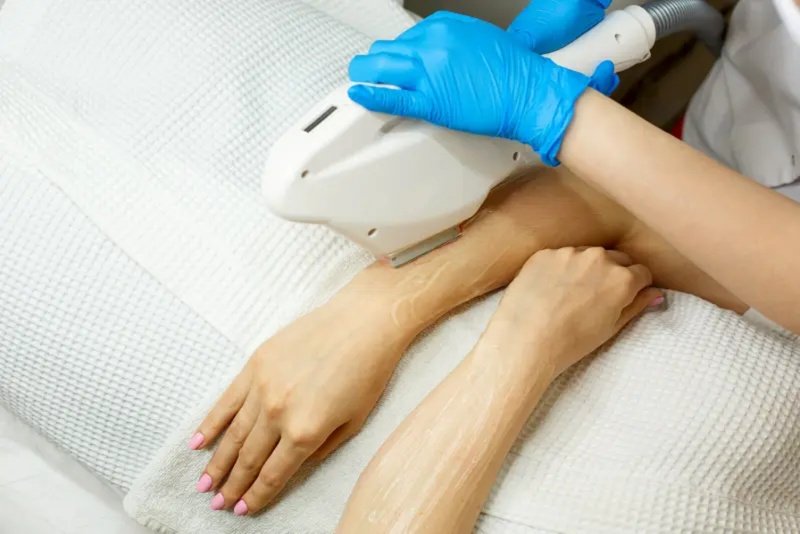
Laser treatment works by directing concentrated light energy into the skin. This stimulates your body’s natural healing response, encouraging collagen and elastin production. Essentially, you’re prompting your skin to repair and rebuild itself from within.
Different lasers penetrate to different depths, targeting various layers of skin. The treatment breaks down scar tissue while promoting new, healthier skin cells. Over multiple sessions, stretch marks become less noticeable as the skin’s texture and colour improve.
Types of Lasers Used for Stretch Mark Treatment
Fractional CO2 lasers are popular for older, white stretch marks. They create microscopic wounds in the skin, triggering intensive healing. Pulsed dye lasers work well on newer, red stretch marks by targeting blood vessels.
Erbium lasers offer another option, particularly for darker skin tones. Your practitioner will recommend the best type based on your stretch marks’ age, colour, and your skin type. Sometimes a combination approach delivers the best results.
What Results Can You Realistically Expect?
Let’s be honest – laser treatment won’t make stretch marks disappear completely. What it can do is significantly reduce their appearance, often by 50-75%. The marks become less visible, the texture smoother, and the colour more closely matches surrounding skin.
Results vary depending on several factors, including the age and severity of your stretch marks, your skin type, and how well you follow aftercare instructions. Newer stretch marks typically respond better than older ones.
Is Laser Treatment Effective on Old Stretch Marks?
Treating Red vs White Stretch Marks
Newer red or purple stretch marks are easier to treat because they still have active blood vessels. Pulsed dye lasers can target these vessels, reduce redness and improving appearance quite quickly.
White stretch marks present more of a challenge. The blood vessels have contracted, and the marks have been there longer. However, fractional lasers can still stimulate collagen production and improve texture. It just typically requires more sessions.
Does the Age of Your Stretch Marks Matter?
Yes, it does. Treating stretch marks within the first six months to a year gives you the best chance of significant improvement. That said, even stretch marks you’ve had for decades can be improved with the right approach. It just requires patience and realistic expectations.
How Much Does Laser Stretch Mark Removal Cost?
Factors That Affect Treatment Pricing
The size of the treatment area is the biggest factor. Treating a small patch costs less than treating your entire abdomen. The type of laser used also affects pricing, with some technologies being more expensive than others.
Average Cost Per Session in Australia
In Australia, you can expect to pay anywhere from $200 to $800 per session, depending on the factors mentioned above. Most people need between 3-6 sessions, so total treatment costs typically range from $600 to $4,800.
Is It Worth the Investment?
This is a personal decision. Consider how much your stretch marks affect your daily life and confidence. Many people find the investment worthwhile for the boost in self-esteem they experience. It’s also worth comparing costs with alternative treatments.
Does Laser Stretch Mark Removal Hurt?
What the Treatment Feels Like
Most people describe the sensation as similar to a rubber band snapping against the skin. It’s uncomfortable but generally tolerable. Some areas are more sensitive than others – the stomach tends to be less sensitive than areas like the inner thighs.
Pain Management Options During Treatment
Many clinics apply topical numbing cream before treatment. Cold air or cooling devices can also help during the procedure. If you’re particularly concerned about discomfort, discuss pain management options with your practitioner beforehand.
How Many Sessions Will You Need?
Typical Treatment Plans
Most people need between 3-6 sessions to see optimal results. Sessions are typically spaced 4-6 weeks apart to allow your skin to heal and regenerate between treatments.
Factors That Influence the Number of Sessions
The age, colour, and severity of your stretch marks all play a role. Your skin type and how well you respond to treatment matter too. Your practitioner will give you a better estimate after assessing your individual situation.
What Is the Recovery Time After Laser Treatment?
Immediate Aftercare
Directly after treatment, your skin will likely be red and slightly swollen – similar to mild sunburn. You’ll need to keep the area clean and apply recommended creams. Avoid sun exposure and tight clothing over the treated area.
Downtime and Getting Back to Normal Activities
Most people return to normal activities within a day or two. However, you should avoid strenuous exercise, swimming, and sun exposure for about a week. Following aftercare instructions carefully ensures the best results.
Are There Any Risks or Side Effects?
Common Side Effects
Temporary redness, swelling, and slight discomfort are normal. Some people experience temporary darkening or lightening of skin in the treated area. These effects typically resolve within days to weeks.
Who Should Avoid Laser Treatment?
Pregnant or breastfeeding women should wait. Those with active skin infections, certain skin conditions, or a history of keloid scarring may not be suitable candidates. A thorough consultation will determine if laser treatment is right for you.
Laser Treatment vs Other Stretch Mark Removal Options
Laser vs Microneedling
Microneedling uses tiny needles to stimulate collagen production. It’s generally less expensive but may require more sessions. Laser treatment typically delivers faster, more dramatic results but costs more.
Laser vs Topical Creams and Oils
Over-the-counter creams and oils are the most affordable option, but evidence supporting their effectiveness is limited. They may help with newer stretch marks but rarely produce significant results on older ones. Laser treatment offers more reliable outcomes.
Which Treatment Is Best for You?
Your budget, the age of your stretch marks, and your desired results all factor into this decision. Many people start with creams, try microneedling, and eventually opt for laser treatment for more stubborn marks.
How to Choose the Right Clinic for Laser Stretch Mark Removal
Questions to Ask Before Booking
Ask about the practitioner’s qualifications and experience specifically with stretch mark treatment. Enquire about the type of laser they use and why. Request before and after photos of previous clients.
What to Look for in a Qualified Practitioner
Look for practitioners with specific training in laser treatments. Check reviews and testimonials. A good practitioner will offer a thorough consultation, discuss realistic expectations, and explain potential risks.
Preparing for Your First Laser Treatment Session
Avoid sun exposure for at least two weeks before treatment. Stop using retinol products about a week prior. Stay well-hydrated and arrive with clean skin, free from lotions or makeup on the treatment area.
Final Thoughts: Is Laser Stretch Mark Removal Right for You?
Laser stretch mark removal offers genuine results for those bothered by these common skin marks. While it won’t erase stretch marks entirely, it can significantly reduce their appearance and boost your confidence. The treatment is relatively straightforward, with manageable discomfort and minimal downtime.
Consider your budget, expectations, and commitment to multiple sessions before deciding. A consultation with a qualified practitioner will help you understand what results you can realistically achieve. Remember, stretch marks are incredibly common and completely natural – treating them is a personal choice, not a necessity.
If you’ve been holding back from wearing certain clothes or feeling self-conscious, laser treatment might be worth exploring. Take your time, do your research, and choose a reputable clinic. Whatever you decide, know that you’re making the choice that’s right for you.