
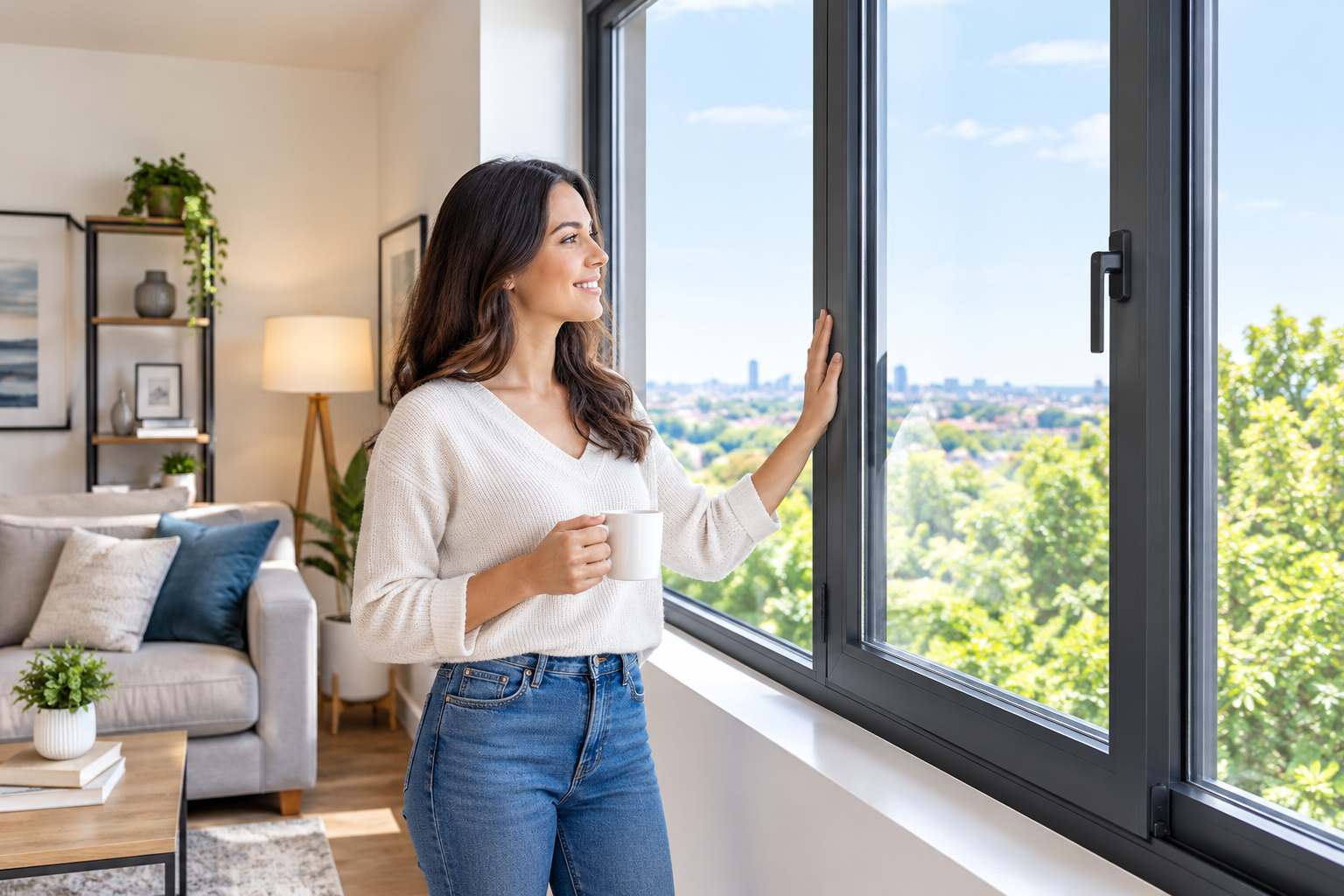
Are you thinking about upgrading your home’s windows? Wondering whether aluminium is the right choice for your Australian property? Perhaps you’re weighing up the pros and cons but feeling overwhelmed by all the options available?
You’re not alone. Aluminium windows have remained a firm favourite among Australian homeowners for decades, and it’s easy to see why. They offer a brilliant combination of sleek aesthetics, impressive durability, and relatively low maintenance requirements. Whether you’re building a new home or renovating an existing one, getting your window choice right can make a massive difference to your property’s comfort, energy efficiency, and overall value.
In this guide, we’ll walk you through everything you need to know before purchasing aluminium windows. From understanding the basics and comparing materials to exploring energy efficiency, costs, styles, and security features—we’ve got you covered. By the end, you’ll have a clear checklist to help you make a confident, informed decision that suits both your home and your budget.
Understanding Aluminium Window Basics
What Are Aluminium Windows Made Of?
Aluminium windows are crafted from extruded aluminium profiles, which are lightweight yet incredibly strong. The aluminium is typically treated with protective coatings—most commonly powder coating—to provide colour, finish, and protection against the elements.
The frames can accommodate various glazing options, from single to triple glazing, depending on your needs. Modern aluminium windows often include thermal breaks, which are insulating barriers built into the frame to improve energy performance. This makes them far more efficient than older designs.
How Do Aluminium Windows Compare to Other Materials?
When comparing aluminium vs uPVC windows, aluminium tends to offer slimmer frames, which means more glass area and better views. Aluminium is also stronger, allowing for larger window spans without compromising structural integrity. However, uPVC can be slightly cheaper upfront, though it may not last as long or look as sleek.
Aluminium vs timber windows presents a different comparison. Timber offers a classic, warm aesthetic that many homeowners love. However, timber requires significantly more maintenance—regular painting or staining to prevent rot and warping. Aluminium, on the other hand, stands up brilliantly to Australia’s harsh climate with minimal upkeep. Plus, modern powder-coated finishes can mimic timber’s appearance if that’s the look you’re after.
Energy Efficiency and Thermal Performance
Are Aluminium Windows Energy Efficient?
This is a question many Aussie homeowners ask, and the answer is: absolutely, when designed correctly. Older aluminium windows had a reputation for poor thermal performance because metal conducts heat readily. However, today’s aluminium windows have come a long way.
Understanding Thermal Breaks and Insulation
Thermal breaks are the game-changer here. These are insulating strips—usually made from polyamide or similar materials—placed between the inner and outer sections of the aluminium frame. They dramatically reduce heat transfer, keeping your home cooler in summer and warmer in winter.
When paired with quality glazing, thermally broken aluminium windows can achieve impressive energy ratings. Look for windows that meet or exceed Australian standards for your specific climate zone.
How to Choose Energy-Efficient Aluminium Windows for Australian Climates
Australia’s diverse climates mean there’s no one-size-fits-all approach. In tropical regions like Queensland, you’ll want windows that minimise heat gain while allowing good ventilation. In cooler areas like Victoria or Tasmania, thermal performance becomes crucial for retaining warmth.
Check the Window Energy Rating Scheme (WERS) labels when shopping. These ratings help you compare products based on heating, cooling, and overall energy performance. It’s a straightforward way to make sure you’re getting windows that’ll work hard for your home.
Durability and Longevity
How Long Do Aluminium Windows Last?
Here’s some great news: aluminium windows are built to last. With proper care, you can expect them to serve your home for 30 to 50 years—sometimes even longer. That’s a significant return on your investment.
Weather Resistance and Corrosion Protection
Aluminium naturally forms a protective oxide layer that resists corrosion. Add a quality powder-coated finish, and you’ve got windows that can handle everything Australia throws at them—from scorching summers and coastal salt spray to heavy rain and humidity.
For homes near the coast, it’s worth asking about marine-grade finishes. These provide extra protection against salt corrosion, which is particularly important if you’re within five kilometres of the ocean.
Low Maintenance Requirements
Unlike timber, aluminium windows don’t need repainting or sealing. A simple wipe-down with soapy water every few months keeps them looking fresh. Check the hardware occasionally, apply a light lubricant to hinges and tracks, and you’re sorted. It really is that straightforward.
Cost Considerations
How Much Do Aluminium Windows Cost?
Pricing varies considerably depending on size, style, glazing, and finish. As a rough guide, aluminium windows in Australia typically range from $300 to $800 per square metre for standard options. High-performance or custom designs can cost more.
Are Aluminium Windows Worth the Investment?
When you consider the longevity, low maintenance, and energy savings, aluminium windows represent excellent value. They may cost more upfront than some alternatives, but over a 30-year lifespan, you’ll likely save money compared to materials requiring regular maintenance or earlier replacement.
Style, Design and Customisation Options
Colour and Finish Options
Gone are the days of limited colour choices. Today’s powder-coating technology offers virtually unlimited colours, from classic black and white to bold statement shades. Matt, satin, and gloss finishes are all available, along with woodgrain effects that replicate timber’s warmth.
Matching Windows to Your Property’s Architecture
Whether your home is a Federation cottage, a mid-century gem, or a contemporary masterpiece, there’s an aluminium window style to suit. The slim frames work particularly well in modern designs, while traditional profiles can complement heritage properties.
Security Features
How Secure Are Aluminium Windows?
Aluminium’s inherent strength makes it an excellent choice for security-conscious homeowners. The material is difficult to force or bend, providing a solid barrier against intruders.
Locking Mechanisms and Safety Glass Options
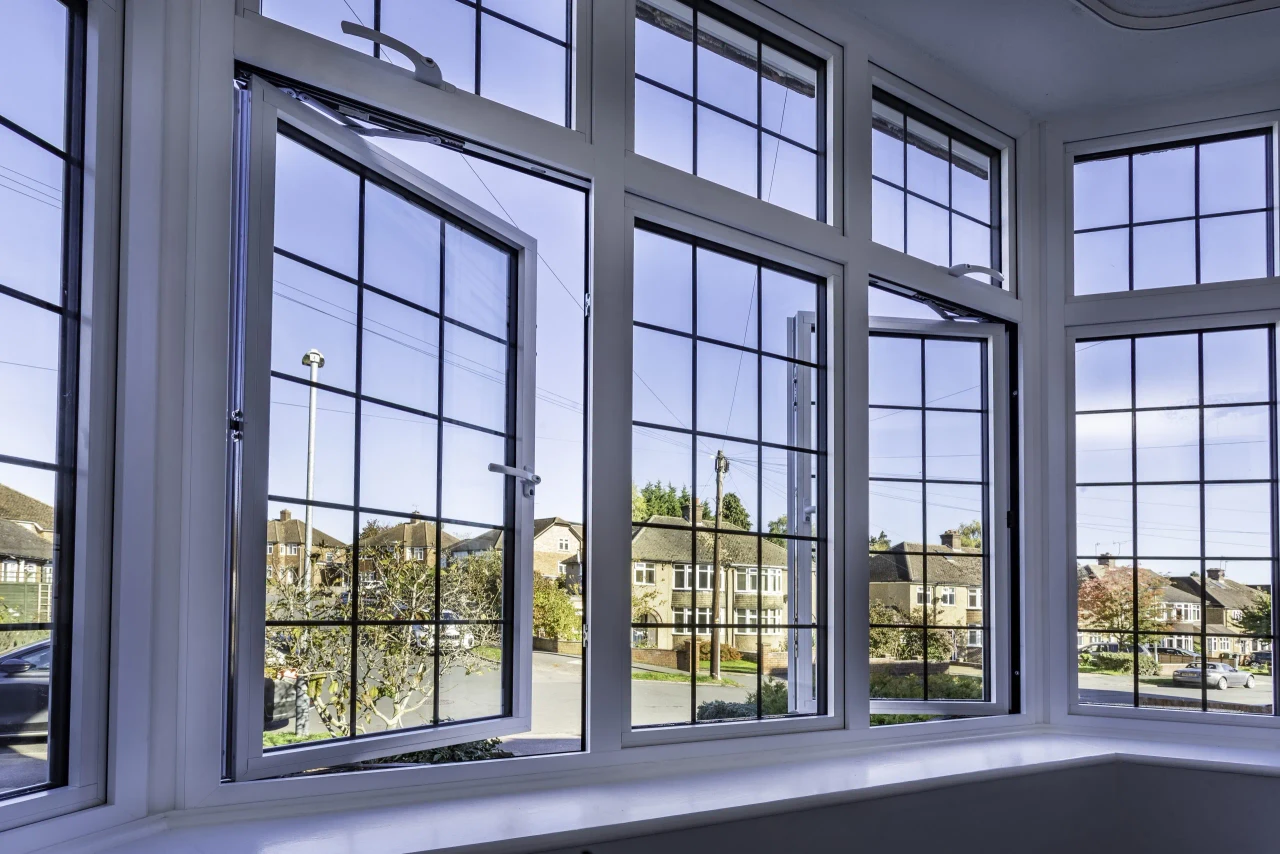
Modern aluminium windows feature sophisticated locking systems, including multi-point locks that secure the window at several positions. Look for locks that meet Australian security standards.
Pair your frames with laminated or toughened safety glass for added protection. Laminated glass holds together when broken, making forced entry much harder. It also offers UV protection and noise reduction as bonus benefits.
Glazing Options
Single, Double or Triple Glazing: Which Is Best?
Single glazing is the most affordable but offers minimal insulation. Double glazing—two panes with an air or gas-filled gap—significantly improves thermal and acoustic performance. Triple glazing takes this further but comes at a premium price.
For most Australian homes, double glazing strikes the ideal balance between performance and cost. Triple glazing may be worthwhile in extreme climates or for maximum noise reduction.
Noise Reduction and Acoustic Performance
If you live near busy roads, flight paths, or noisy neighbours, acoustic glazing can be transformative. Thicker glass and wider air gaps between panes absorb sound more effectively. Some manufacturers offer specialist acoustic options rated for specific decibel reductions.
Conclusion
Choosing the right aluminium windows involves balancing multiple factors—from energy efficiency and durability to style, security, and cost. It’s a significant decision, but getting it right will reward you with decades of comfort, beauty, and performance.
Here’s your final checklist: confirm you’re getting thermally broken frames for energy efficiency, choose appropriate glazing for your climate and noise requirements, select a style and finish that complements your home, verify security features meet your needs, and partner with a reputable supplier offering solid warranty coverage.
Take your time with this decision. Visit showrooms, request samples, and don’t hesitate to ask questions. Your windows are one of the most important elements of your home—they affect how you live, how comfortable you feel, and how much you spend on energy. By considering all these factors carefully, you’ll end up with aluminium windows that serve your home brilliantly for years to come. Good luck with your project!