
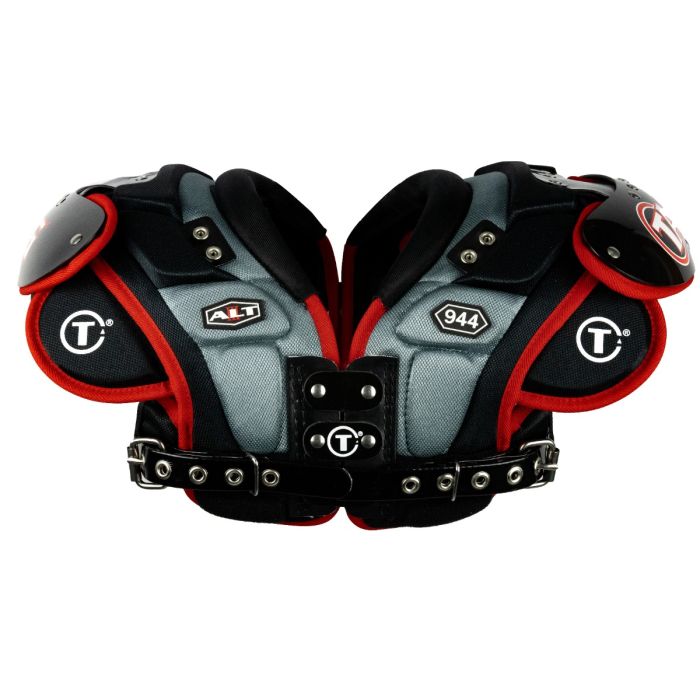
Football is a game of accuracy, strength, and safety, and the equipment worn by players can often be the difference between optimal performance and susceptibility. One place where this is painfully apparent is in skill position shoulder pads equipment specifically made for quarterbacks, wide receivers, defensive backs, and running backs. In contrast to linemen, who must be as bulky as possible and absorb collisions, skill-position players demand agility, flexibility, and light, aerodynamic designs that enable them to explode on offence and deliver pinpoint passes and throws.
With so many brands vying to provide the most effective shoulder pads for skill positions, knowing performance measures is crucial for players, coaches, and parents alike. This article explores how competing brands measure up against one another, looking at protection, mobility, weight distribution, durability, and comfort. The information presented here assists athletes with making the best choices when picking appropriate gear for their position.
Why Skill Position Shoulder Pads Are Different
1. Position-Specific Demands
Skill positions emphasize agility, acceleration, and precision. A quarterback needs unrestricted shoulder rotation to throw accurately. A wide receiver thrives on speed and leaping ability. Running backs absorb high-impact tackles yet still need freedom of movement to change direction quickly. Defensive backs must combine speed with strong tackling power.
In contrast to the pads for linemen, skill position shoulder pads are lighter, more shaped to the body, and have less bulk. Their biomechanics-oriented design caters to smooth movement without compromising safety.
2. Balancing Protection and Performance
The test is finding pads that will absorb impact without restricting agility. Contemporary advancements segmented foam, reinforced plastics, and low-profile cuts allow manufacturers to provide a solution that combines both. This blend is what characterizes the best shoulder pads for skill positions.
Important Performance Metrics for Assessing Shoulder Pads
In comparing top brands, these metrics define the actual value of skill position shoulder pads:
Weight and Load Distribution: Lighter pads minimize fatigue but need to absorb force efficiently.
Range of Motion: Pads must enable a full range of arm extension and rotation in throwing and catching.
Impact Protection: Scored by material quality, energy dispersal, and reinforcement near areas of high contact such as the AC joint.
Ventilation and Comfort: Moisture-wicking liners and air-flow systems regulate athlete temperature during hot games.
Durability: Durable materials endure repeated impacts without degrading.
Fit and Adjustability: Adjustable straps and adjustable sizing keep pads in place during play.
Comparing Premier Brands: A Performance Analysis
1. Brand A: Light Precision Shoulder Pads
Brand A prioritizes reduced weight with greater agility. Their skill-position shoulder pads weigh an average 15–20% less than standard models, allowing quarterbacks and receivers the mobility advantage. The narrow-cut design facilitates overhead actions, ideal for precise passes and high catches.
Performance strengths:
- Unparalleled range of motion.
- Moisture-wicking liners for comfort.
- Most suitable for quarterbacks and wide receivers who value speed.
Trade-off: Slightly reduced padding in the chest and back region in relation to bulkier options, so not best for heavy-contact running backs.
2. Brand B: Hybrid Protection Technology
Brand B features layered foam combined with shock-dispersing gels, presenting a solid balance between protection and flexibility. These are thus highly sought after by running backs who require freedom as well as collision absorption.
Performance highlights:
- Enhanced chest and rib protection areas.
- Adjustable strapping system to ensure a comfortable, secure fit.
- Multiple skill position versatility.
Trade-off: Marginally heavier than Brand A, but still relatively light compared to lineman equipment.
3. Brand C: Elite Custom-Fit Pads
Brand C is committed to custom fit and padding thickness based on position and player preference. Custom-fit pads featuring biomechanics-inspired contours minimize shoulder fatigue and maximize energy transfer through play.
Key performance features:
- Position-specific constructions for quarterbacks, receivers, and defensive backs.
- Carbon-fiber reinforcement for strength without weight.
- Rated highly for comfort and shock absorption.
Trade-off: Slightly higher price tag due to customization features.
4. Brand D: Ventilation-Based Design
Heat management is not always given the emphasis it needs, but Brand D shines with airflow systems and air-permeable liners. Their skill position shoulder pads are popular among hot-weather states and summer leagues.
Performance standouts:
- Better ventilation, minimizing overheating.
- Lightweight design with the addition of collarbone padding.
- Ideal selection for defensive backs on long field sprints.
Trade-off: Ventilation-oriented design compromises a bit on reinforcement in shoulder caps vs. heavier-duty versions.
5. Brand E: High-Impact Specialist
Brand E is geared toward running backs and safeties who play frequently with high-collision plays. The pads feature dense foam layering and reinforced plastics to protect from repetitive impact.
Performance features:
- Solid protection in chest, back, and shoulders.
- Secure, lock-down strapping system.
- Durable for extended wear under heavy play.
Trade-off: Heavier than alternatives, marginally limiting mobility for actions that involve quick overhead movement.
Data-Driven Insights into Performance
Sports biomechanics and football safety research leaves no doubt about the importance of specialized equipment. Proper pad fit, as opposed to improper pad fit, can reduce risk of injury by up to 30%, especially in children. Position-dependent shoulder pads, such as the top skill position shoulder pads, prevent the occurrence of shoulder and collarbone injuries and keep natural movement patterns intact.
Evidence also indicates:
- Lightweight pads enhance sprint speed by 2–3%, a difference that can determine a game-winning play.
- Players wearing aerated pads have reduced rates of fatigue, with higher fourth-quarter performance levels.
- Efficient load distribution within shoulder pads decreases cumulative stress, safeguarding developing athletes from overuse injuries.
Best Shoulder Pads for Skill Position Selection
1. Determine Playing Position
Quarterbacks need to value mobility and light build. Running backs will appreciate pads with reinforced rib and chest protection. Hybrid models emphasizing speed along with durability are best suited for defensive backs.
2. Fit and Comfort
Fit is crucial to prevent pads from slipping when impacting. Adjustable straps and contoured designs matter significantly in terms of comfort and safety.
3. Material Quality
Quality foams, carbon-fiber reinforcement, and sweat-wicking liners all contribute to performance and longevity.
4. Budget vs. Performance
Elite brands have unparalleled customization but can be more expensive. Teams and families need to balance durability with cost when choosing gear.
The Future of Skill Position Shoulder Pads
Football equipment innovation is moving quickly. The top skill-position shoulder pads will feature such technology as:
- Impact sensors to track collisions and alert coaches to the risk of injury.
- 3D printing for exact, custom-fit models designed specifically for each athlete’s frame.
- Intelligent materials that harden on impact but are flexible otherwise.
- Environmentally friendly textiles that offer superior performance with less environmental impact.
With these technologies, players will benefit from equipment that not only safeguards but actually improves performance.
Conclusion
The function of skill position shoulder pads goes far, far beyond protection—they are performance equipment meant to maximize speed, agility, and confidence on the field. By evaluating top brands through performance criteria including weight, protection, range of motion, ventilation, and durability, players and coaches can make informed decisions about what equipment will best meet their requirements.
Ultimately, the ideal shoulder pads for skill positions are a matter of finding the right balance between personal comfort, position requirements, and performance objectives. As technology advances, next-generation designs also hold the potential for higher levels of safety and efficiency, enabling athletes to excel without compromise.