
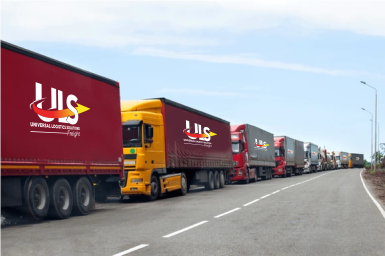
Container transport services play a central role in global supply chains, ensuring that imported and exported goods move smoothly between ports, warehouses, factories, and retail distribution hubs. Whether you handle high-volume shipments, sensitive cargo, or fast-moving retail stock, choosing the right container logistics partner directly impacts delivery speed, regulatory compliance, and overall supply chain stability.
With rising customer expectations and increasing pressure on businesses to optimize logistics, reliable container transport has become an essential part of modern freight management. This guide explains how container transport works, key service types, common challenges, and what to consider when selecting a provider for your cargo.
What Are Container Transport Services?
Container transport services involve the movement of standardized shipping containers—typically 20ft, 40ft, and high-cube units—from ports to inland destinations or between distribution hubs. These services ensure secure, compliant, and efficient cargo movement across local, regional, and national networks.
Businesses depend on container transport for:
-
Import and export shipments
-
Port-to-warehouse transfers
-
Intermodal logistics (road, rail, sea)
-
Container repositioning
-
Cross-dock operations
-
Short-haul and long-distance supply chain connections
Because container movements are time-sensitive and governed by strict port rules, companies require experienced operators who understand scheduling, documentation, customs procedures, and regulatory requirements.
How Container Transport Works
Container transport follows a streamlined yet highly coordinated process involving multiple stages:
1. Port Collection
After unloading from vessels, containers are moved to port terminals (e.g., Felixstowe, Southampton, Tilbury, London Gateway).
Transport companies receive release notes and schedule trucks for prompt pickup to avoid demurrage fees.
2. Inland Haulage
Drivers transport containers to warehouses, factories, or distribution centers. This process requires:
-
Route planning
-
Weight compliance
-
Secure lashing and inspection
-
Real-time communication
3. Return or Repositioning
Empty containers are either returned to the port or repositioned to another location for the next shipment. Proper coordination reduces detention charges and improves asset utilization.
Types of Container Transport Services
Different industries and cargo types require specialized solutions. The most common container transport services include:
1. Port-to-Door Transport
Ideal for importers who need direct delivery from major UK ports such as:
-
Felixstowe – high-volume goods and retail imports
-
Southampton – automotive, industrial, and mixed cargo
-
Tilbury – FMCG and manufacturing
-
London Gateway – automated and high-tech port operations
2. Door-to-Port Transport
Used by exporters who need reliable container delivery back to the port for scheduled vessel departures.
3. Intermodal Container Transport
Combines road and rail freight, improving efficiency for long-distance travel across the UK.
4. Regional Container Haulage
Businesses often choose local services such as:
-
Container haulage in Ipswich
-
Container transport near Felixstowe
-
Haulage companies in the North West
-
Local providers in smaller towns
This approach lowers transportation costs and improves scheduling flexibility.
Inland Container Transport Across the UK
Inland container haulage connects inland manufacturing zones, warehouses, and distribution hubs with seaports.
Reliable carriers help businesses avoid:
-
Excessive dwell times
-
Delays in customs clearance
-
Demurrage and detention fees
Whether operating in the Midlands, Northern England, or smaller transport hubs like Devizes, efficient inland networks keep supply chains moving consistently.
Specialised Container Transport Solutions
Some goods require more specialized handling, equipment, or regulatory compliance.
1. Refrigerated (Reefer) Container Transport
Used for:
-
Food products
-
Pharmaceuticals
-
Temperature-sensitive chemicals
Vehicles and reefers include advanced monitoring systems to maintain required conditions.
2. Hazardous Material Container Transport
Compliance with ADR regulations is critical when transporting:
-
Chemicals
-
Gases
-
Industrial liquids
-
Dangerous goods
Experienced drivers and certified equipment ensure safety and legal compliance.
3. Oversized or High-Cube Containers
High-cube units require additional checks for bridge heights, weight distribution, and route restrictions.
Why Choosing the Right Container Transport Partner Matters
A professional container transport provider ensures:
-
Timely deliveries to avoid demurrage
-
Regulatory compliance (weight limits, customs, ADR, port rules)
-
Accurate tracking for visibility and accountability
-
Reduced supply chain risk during peak port congestion
-
Cost efficiency through proper planning and equipment utilization
ULS Freight, for example, supports businesses with scalable container haulage, nationwide coverage, and expertise in port logistics, making it easier for companies to manage high-volume or complex shipments.
Key Factors to Consider When Selecting a Container Transport Service
When evaluating service providers, businesses should look at:
Fleet Capacity & Equipment
-
Container chassis
-
Skeletal trailers
-
Flatbeds
-
Refrigerated units
-
Hi-cube compatible vehicles
Geographic Coverage
Ensure the provider covers both major ports and inland destinations relevant to your supply chain.
Compliance & Safety Standards
Look for:
-
Fully trained drivers
-
Insurance coverage
-
Port compliance certifications
-
ADR qualifications for hazardous goods
Technology & Tracking
Real-time visibility is essential for:
-
Monitoring container status
-
Reducing delays
-
Providing customer updates
Pricing Transparency
Clear and predictable pricing protects businesses from unexpected detention or demurrage costs.
Industry Trends in Container Transport (2025)
The container transport sector is evolving due to technological, regulatory, and market changes:
1. Increased Use of Telematics
Advanced tracking systems improve visibility across long-distance routes.
2. Sustainable Transport Initiatives
More providers are adopting:
-
Electric or hybrid HGVs
-
Alternative fuels like HVO
-
Carbon-efficient route planning
3. AI-Enhanced Fleet Management
AI tools help automate scheduling, optimize routes, and reduce operational downtime.
4. Digital Port Operations
UK ports increasingly integrate automation and digital documentation for faster turnaround times.
FAQs About Container Transport Services
1. How much does container transport cost in the UK?
Costs depend on route distance, container size, port fees, cargo type, and required equipment. Prices vary but are typically quoted per container trip.
2. What is the difference between container haulage and container transport?
Container haulage refers specifically to road-based movement, while container transport can include road, rail, and multimodal logistics.
3. How can I avoid demurrage and detention charges?
Work with experienced providers who offer accurate scheduling, proactive communication, and port coordination.
4. Do transport companies handle customs documentation?
Some do—especially full-service logistics providers. Others may coordinate with customs brokers.
Conclusion: Choose Reliable Container Transport Services with ULS Freight
Selecting a reliable container transport partner is essential for ensuring smooth port operations, timely deliveries, and stable supply chain performance. Whether you require port-to-door haulage, refrigerated container transport, hazardous goods movement, or nationwide coverage, choosing an experienced company ensures safety, transparency, and efficiency.
Optimize your logistics today with ULS Freight—your trusted partner for seamless container transport across the UK.