
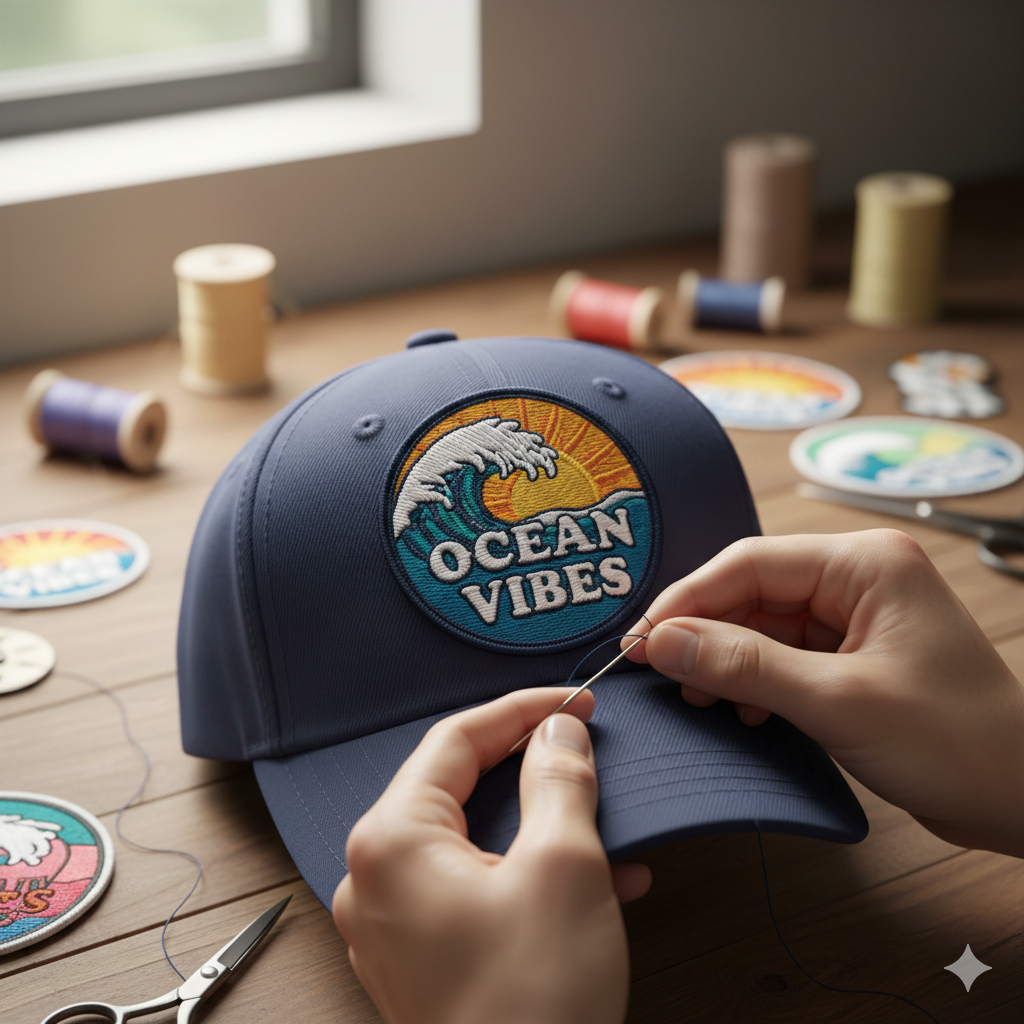
In the world of fashion, branding, hobbies, and self-expression, one item continues to stand out for its versatility and timeless appeal: embroidered patches. From humble beginnings as functional identifiers on military uniforms to today’s expressions of personality and creativity, embroidered patches have a unique story and a variety of uses. In this comprehensive beginner’s guide, we’ll explore what embroidered patches are, how they’re made, why they’re so popular, how to use them, and how you can create your own with brands like Customtoppe.it.
1. What Are Embroidered Patches?
At its core, an embroidered patch is a small piece of fabric, often reinforced, with a design stitched onto it using colored threads. These patches can range from simple shapes and lettering to complex artistic illustrations. They are typically used for decoration, identification, branding, or as collectible items.
An embroidered patch usually consists of:
-
Base Fabric: The background material, often twill, felt, canvas, or polyester.
-
Thread Embroidery: The actual design stitched with embroidery thread.
-
Border: A finished edge—like merrowed or heat-cut—to prevent fraying.
-
Backing: The adhesive or attachment method (sew-on, iron-on, velcro, etc.).
2. A Brief History of Embroidered Patches
Embroidered patches have a history rooted in practicality:
Military Origins
Patches were originally used to identify soldiers, units, ranks, and branches in the military. They were practical, easy to recognize, and helped establish order. Each design was distinct and carried meaning.
Evolution into Pop Culture
As uniforms became less formal and culture became more expression-driven, patches started appearing on civilian clothing. By the 1960s and ’70s, patches became synonymous with counterculture movements, music festivals, and motorbike clubs.
Modern Day
Today, patches are everywhere—from backpacks and jackets to streetwear and corporate apparel. They are not just about identification anymore; they’re about style, storytelling, and unique identity.
3. How Are Embroidered Patches Made?
Understanding how embroidered patches are made gives you appreciation for the craft. While the process can vary slightly based on tools and technologies used, the basic steps are:
Design Creation
The first step is designing the patch—usually done digitally using embroidery software. This design is converted into a format readable by an embroidery machine.
Digitizing
Digitizing is programming the design so embroidery machines can interpret it. This includes instructing the machine on stitch direction, thread colors, density, and sequence.
Material Setup
A base fabric (like twill) is hooped with stabilizer—material that prevents movement during stitching.
Embroidery
The embroidered design is stitched onto the base with high-quality threads in chosen colors.
Finishing
Once stitched, patches are cut out. Edges are finished:
-
Merrowed border: A classic stitched edge for a rounded, raised look.
-
Heat-cut border: A smooth edge for more complex shapes.
Backing Application
Backings are added to make patches easy to apply:
-
Sew-on backing
-
Iron-on adhesive
-
Velcro
-
Adhesive glue backing
Brands like Customtoppe.it offer a range of backing options to suit different needs, whether you want patches for clothing, bags, hats, or promotional items.
4. Types of Embroidered Patches
Embroidered patches can be categorized in several ways:
By Shape
-
Rounds
-
Squares/Rectangles
-
Die-cut (custom shapes)
By Backing Type
-
Sew-on: Traditional and secure.
-
Iron-on: Easy DIY application.
-
Velcro: Great for uniforms or removable use.
-
Adhesive: Temporary attachment.
By Purpose
-
Decorative: Fashion and aesthetics.
-
Branding: Businesses, teams, shops.
-
Identification: Clubs, military, organizations.
-
Collectible: Souvenirs, trading patches.
-
Achievement: Scouts, competitions, events.
5. Why People Love Embroidered Patches
Embroidered patches are popular for a variety of reasons—some practical, many emotional:
Visual Appeal
The texture and depth of thread give patches a rich, tactile look. Compared to printed decals, embroidery feels more premium and durable.
Personal Expression
Patches can showcase interests, values, affiliations, hobbies, and inside jokes. It’s wearable self-expression.
Durability
Quality embroidered patches are long-lasting and hold up well to washing, wear, and time.
Versatility
They can be applied to almost anything—jackets, jeans, bags, caps, uniforms, scarves, and even home decor.
Customization
With a service like Customtoppe.it, you can design patches that are uniquely yours—your logo, your art, your slogan.
6. Common Uses for Embroidered Patches
Let’s break down some practical and creative uses for patches:
Fashion & Streetwear
From denim jackets to cargo pants and backpacks, patches add character. They can turn a plain garment into a statement piece.
Team & Club Identity
Sports teams, hobby clubs, and social groups use patches to represent membership and unity.
Corporate Branding
Businesses use patches for uniforms, promotional gear, and giveaways. They’re inexpensive, memorable, and look professional.
Events & Souvenirs
Concerts, festivals, conventions, and competitions often issue patches as souvenirs or collectibles.
DIY & Creative Projects
Crafters use patches to personalize quilts, tote bags, knitted items, and more.
7. How to Apply Embroidered Patches
The way you attach a patch depends on the backing you choose:
Sew-on Patches
-
Tools: Needle, thread, optionally a sewing machine.
-
Method: Sew around the edge by hand or with a machine.
-
Best For: Heavy-use items like jackets and backpacks.
Iron-on Patches
-
Tools: Iron, cloth to protect patch.
-
Method: Position patch, apply heat as instructed.
-
Tip: For longevity, reinforce with a few stitches after ironing.
-
Best For: Quick DIY application.
Velcro Patches
-
Method: Sew one side to the garment and attach the matching velcro side to the patch.
-
Best For: Uniforms or items you want to swap patches on easily.
Adhesive Backing
-
Method: Peel and stick.
-
Best For: Temporary use or fabric that can’t handle heat.
8. Choosing the Right Materials & Quality
Not all patches are created equal. When choosing or designing patches, consider:
Thread Quality
High-quality embroidery thread resists fading and fraying.
Base Fabric
Durable base fabrics like twill or canvas hold up better over time.
Backing
Choose based on use—iron-on for casual DIY or sew-on for heavy-duty wear.
Stitch Density
Higher stitch density gives more detail but may increase stiffness.
Brands like Customtoppe.it pride themselves on using quality materials and expert craftsmanship, ensuring each patch looks great and lasts long.
9. Designing Your Own Embroidered Patch
Creating your own patch can seem intimidating at first, but breaking it down makes it simple:
1. Concept & Purpose
Ask:
-
What is the patch for?
-
Who will wear it?
-
What mood do you want—fun, formal, vintage, bold?
2. Shape & Size
Consider where it will go—should it be small and subtle or large and eye-catching?
3. Colors
Choose a palette that pops and contrasts well. Embroidery threads tend to shine, so colors matter.
4. Details
Keep in mind embroidered patches have limits in tiny text or fine detail. Simple, bold elements often work best.
5. Backing
Decide how you want to attach it.
6. Work with a Manufacturer
Upload your design and specifications to a patch maker like Customtoppe.it, who can digitize and produce your patches with professional quality.
10. Pricing & Ordering Patches
Pricing for embroidered patches depends on:
-
Size: Larger patches use more materials.
-
Stitch Count: More detail means more time/threads.
-
Order Quantity: Bulk orders reduce per-patch costs.
-
Backing Type: Iron-on and velcro add value.
When ordering from custom producers such as Customtoppe.it, you can often get instant quotes, production timelines, and proof previews before committing.
11. Tips for Beginners
If you’re new to embroidered patches, here are some practical tips:
Start Small
Order a few test patches to see the quality before bulk ordering.
Think About Placement
Lay out where patches will go before sewing or ironing.
Consider Longevity
If the item will be washed often (like a jacket), prefer sew-on or iron-on with reinforcement stitching.
Mix & Match
Use a combination of patch sizes and styles for creative flair.
Keep It Balanced
Too many patches in one area can look cluttered. Plan your layout.
12. Caring for Embroidered Patches
With proper care, patches can look great for years:
-
Washing: Turn garments inside out.
-
Heat Protection: Avoid excessive heat; iron with a cloth barrier.
-
Avoid Bleach: Harsh chemicals can fade threads.
-
Secure Edges: If edges start to lift, reinforce with a few stitches.
13. Trends & Styles in 2025
Embroidered patches continue evolving:
Sustainable Materials
Eco-friendly fabrics and recycled threads are gaining popularity.
3D Puff Embroidery
This adds dimension, especially on hats and caps.
Personalized Art & Quotes
Custom designs for self-expression remain strong.
Patch Swapping Culture
Collectors trade patches at events and online communities.
Whether you’re into vintage aesthetics, streetwear, or branded gear, embroidered patches are more relevant than ever.
14. Where to Get High-Quality Custom Patches
Many companies offer custom embroidered patch services, but quality and customer experience vary. Look for providers that offer:
-
Proofing & Previews
-
Fast Turnaround
-
Multiple Backing Options
-
Quality Materials
-
Responsive Support
One such option is Customtoppe.it, a trusted custom patch provider that allows you to upload your design, choose materials, select backing types, and view your patch before production. Their combination of quality embroidery and personalized service makes them a great choice for beginners and experienced creators alike.
15. Real-World Examples of Embroidered Patch Use
To bring everything full circle, here are some real-world patch inspirations:
1. Denim Jackets
Add a star, slogan, or artwork for a bold statement.
2. Team Uniforms
Show team unity with color-matched patches.
3. Brand Merch
Businesses use patches on hats and bags to boost visibility.
4. Travel Souvenirs
Collect patches from places you visit.
5. Family Events
Create matching patches for reunions or celebrations.
Conclusion
Embroidered patches are more than simple stitched designs—they are tools for identity, branding, creativity, and culture. From military origins to modern streetwear, their relevance has only grown over time. Whether you’re looking to customize a wardrobe piece, promote your business, build a collection, or start a creative project, understanding embroidered patches is the first step toward making something meaningful.
And if you’re ready to design your own patches, platforms like Customtoppe.it make the process easier than ever—from concept to finished product.
So grab your ideas, sketch your design, and let your creativity come to life one stitch at a time!