
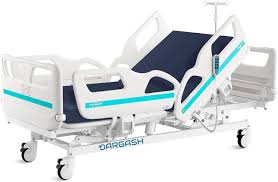
Patient Beds Price in Pakistan
Patient beds have become an essential requirement for hospitals, clinics, and home care in Pakistan. Whether for post-surgery recovery, long-term care, or elderly support, having the right bed ensures patient comfort and safety. With the growing demand, a variety of patient beds are now available across Pakistan at different price points, making it easier for families and healthcare providers to find options suitable for their budget. Understanding current prices and features helps buyers make informed decisions while balancing cost, functionality, and durability.
Table of Contents
TogglePrice Ranges for Patient Beds in Pakistan
The prices of patient beds price in Pakistan vary widely based on type, features, and quality. At the lower end, basic manual beds designed for simple home care or short-term use can cost between PKR 18,000 and 25,000. These beds usually have a single adjustment mechanism or a simple frame that allows the head section to tilt slightly. They are suitable for temporary patient care or for individuals who do not require frequent repositioning. These models are lightweight, easy to move, and often sufficient for basic recovery needs.
Slightly more advanced manual or semi-manual beds with additional adjustment options and stronger frames typically fall in the range of PKR 25,000 to 40,000. These beds provide better support, multiple crank adjustments for head and leg positions, and sometimes include side rails for added safety. They are ideal for patients who need moderate care and can be used comfortably for longer durations than the most basic models.
Mid-range patient beds, often priced between PKR 40,000 and 65,000, offer better build quality and enhanced features. These beds may include semi-electric mechanisms, adjustable height, and more stable frames. They are suitable for long-term care, elderly patients, and those recovering from significant surgeries. Side rails, lockable wheels, and sturdy mattresses improve both patient safety and comfort, making these beds a popular choice for many households and private clinics.
At the higher end, fully electric patient beds with motorized adjustments for head, foot, and height generally start from PKR 75,000 to 90,000 and can go higher depending on additional features. Electric beds offer superior convenience for patients and caregivers alike. They allow effortless repositioning, reduce physical strain on caregivers, and provide ergonomic support. Some electric models also include features like remote control operation, adjustable firmness, and built-in safety mechanisms, making them suitable for intensive home care or hospitals.
Used or refurbished beds can also be an option for those looking for the lowest possible price. Prices for second-hand beds can range from PKR 15,000 to 30,000 depending on condition, type, and included accessories. These beds can offer significant savings, but buyers must carefully inspect the frame, adjustment mechanisms, mattress condition, and overall hygiene before purchase to ensure safety and reliability.
Features and Limitations of Low-Cost Beds
Budget-friendly beds often meet the basic needs of short-term care but come with certain limitations. Manual models require physical effort from caregivers for adjustment and do not provide motorized convenience. They may lack safety features like sturdy side rails, non-slip wheels, or high-quality mattresses. Some low-cost beds are designed only for lighter use, and prolonged use may lead to wear or discomfort for the patient.
Low-priced beds can be suitable for temporary recovery periods, short-term hospital stays at home, or occasional elderly care. However, families and healthcare providers must balance cost with patient comfort and safety, especially for long-term usage.
Advantages of Mid-Range Beds
Mid-range beds offer a good compromise between price and functionality. They include multiple adjustment points, side rails, lockable wheels, and semi-electric features that make repositioning easier. These beds are generally more durable and better built, providing a stable surface for patients and reducing the risk of accidents. Caregivers benefit from the easier handling, and patients experience enhanced comfort, making mid-range beds ideal for long-term home care.
Why Electric Beds Are Worth Considering
Electric beds provide maximum convenience and comfort, especially for patients with limited mobility or chronic conditions. Motorized adjustments reduce the physical burden on caregivers while allowing patients to change positions independently. Height adjustment features help caregivers perform medical procedures or daily care without strain. Although electric beds are more expensive, they provide long-term value through improved comfort, safety, and patient care efficiency.
Important Considerations Beyond Price
While price is an important factor, the suitability of the patient bed must align with the patient’s condition and care requirements. Essential considerations include the bed’s adjustment mechanisms, mattress quality, frame stability, safety features, and ease of use. Buyers should also check whether installation and after-sales support are available, especially for electric beds. A bed that is inexpensive but poorly suited to the patient’s needs can lead to discomfort or medical complications, ultimately costing more in the long run.
Conclusion
The lowest patient bed prices in Pakistan today start around PKR 15,000 for second-hand models and PKR 18,000 for new basic manual beds. Mid-range options with improved durability, semi-electric adjustments, and better comfort are available from PKR 40,000 to 65,000. Electric beds, offering advanced features and maximum convenience, start around PKR 75,000. Buyers should carefully assess patient needs, intended usage, safety features, and durability alongside cost to make the best choice. By considering these factors, families and healthcare providers can secure beds that provide both affordability and reliable patient care.