
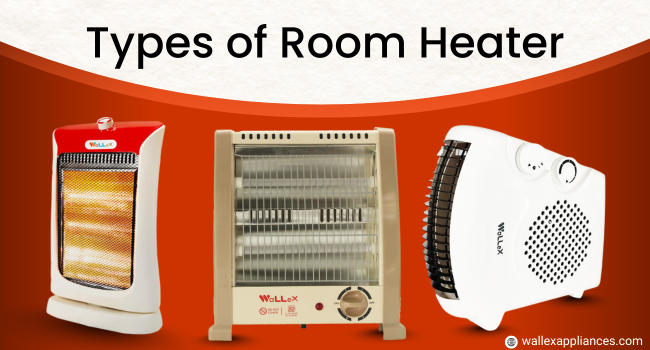
When winter hits hard and temperatures drop, a room heater becomes a household essential. Whether you live in a chilly region or just want extra warmth for cozy nights, choosing the right type of room heater can make a big difference. However, with so many types—fan heaters, oil-filled radiators, halogen heaters, convector heaters, and ceramic heaters—picking the best one can be confusing.
This comprehensive guide will help you understand the which type of room heater is best, their pros and cons, and which one is best suited for your home, office, or bedroom.
1. Understanding Room Heaters: The Basics
Room heaters, also known as space heaters, are electrical appliances that generate heat to warm enclosed spaces. They are broadly classified based on heating technology and heat transfer method—radiant, convection, and fan-assisted.
Let’s first understand how each heating mechanism works before comparing models.
-
Radiant Heaters: These heaters emit infrared radiation that directly warms objects and people in their path. Ideal for spot heating and small areas.
-
Convection Heaters: These warm the air in the room, which then circulates naturally or through a fan, making the entire room comfortable.
-
Fan Heaters: A variant of convection heaters, they use an electric coil and fan to blow hot air quickly.
-
Oil-Filled Radiators: These rely on heated oil circulating through columns, radiating consistent warmth even after being turned off.
2. Major Types of Room Heaters
A. Fan Heaters (Convection or Blower Heaters)
How they work:
Fan heaters use an electric coil and a fan to distribute warm air across the room. They provide instant heating and are compact, portable, and affordable.
Pros:
-
Quick heating — perfect for cold mornings.
-
Lightweight and portable.
-
Budget-friendly.
-
Suitable for small to medium-sized rooms.
Cons:
-
Can be noisy due to the fan.
-
Consumes more electricity for long usage.
-
May dry out the air, causing discomfort for sensitive users.
Best For: Small rooms, offices, or quick heating needs.
B. Oil-Filled Heaters (Oil-Filled Radiators)
How they work:
These heaters use electricity to heat up oil stored inside metal fins. The oil circulates and radiates heat evenly across the room.
Pros:
-
Excellent for long, consistent heating.
-
Retains heat even after switching off.
-
Silent operation.
-
Safe for overnight use.
-
Doesn’t dry out the air.
-
Energy-efficient for prolonged heating.
Cons:
-
Slower to heat up initially.
-
Heavier and more expensive than fan heaters.
Best For: Large rooms, bedrooms, or spaces where quiet and sustained heating is required.
C. Halogen Heaters
How they work:
Halogen heaters use halogen-filled bulbs and radiant heating technology to produce heat. They directly warm objects or people nearby.
Pros:
-
Instant warmth.
-
Compact and portable.
-
Low electricity consumption for short durations.
-
Great for personal use.
Cons:
-
Limited heating range (only warms nearby area).
-
Not ideal for large spaces.
-
May pose fire risk if placed too close to flammable materials.
Best For: Small personal spaces or for direct heating while sitting close.
D. Quartz Heaters
How they work:
Quartz heaters use heating tubes with quartz elements that emit infrared radiation. They are similar to halogen heaters but slightly more durable and efficient.
Pros:
-
Instant heat output.
-
Compact and economical.
-
Energy-efficient for small rooms.
Cons:
-
Can overheat small areas quickly.
-
Not suitable for large rooms.
-
Heat dissipates quickly once turned off.
Best For: Small to medium rooms or localized heating.
E. Ceramic Heaters
How they work:
These heaters use ceramic plates and aluminum baffles to generate and distribute heat efficiently. A fan helps circulate the warm air around the room.
Pros:
-
Heats up quickly and evenly.
-
Portable and stylish designs available.
-
Often includes thermostats and safety features.
-
Moderate energy consumption.
Cons:
-
Fan noise can be an issue.
-
Suitable only for medium-sized rooms.
Best For: Medium rooms and quick heating requirements.
F. Infrared Heaters
How they work:
Infrared heaters emit invisible infrared rays that directly heat up people and objects, rather than the air. It mimics the warmth of sunlight.
Pros:
-
Energy-efficient and instant heating.
-
Silent operation.
-
No oxygen depletion or dryness.
Cons:
-
Limited range — only warms objects directly in front.
-
Not effective for large spaces.
Best For: Personal heating in smaller rooms.
3. Which Type of Room Heater Is Best for You?
The answer depends on your room size, usage duration, safety needs, and energy efficiency goals. Let’s break it down.
| Factor | Best Heater Type | Why |
|---|---|---|
| Small Room (under 150 sq. ft) | Fan, Halogen, or Quartz Heater | Compact, quick heating. |
| Medium Room (150–250 sq. ft) | Ceramic or Fan Heater | Balanced heating and portability. |
| Large Room (250+ sq. ft) | Oil-Filled Heater | Even and long-lasting warmth. |
| For Children or Pets | Oil-Filled Heater | Safe, silent, no exposed elements. |
| For Office Use | Ceramic or Fan Heater | Compact, stylish, quick heat-up. |
| For Overnight Heating | Oil-Filled Heater | Continuous and safe operation. |
| Instant Heat Requirement | Halogen or Fan Heater | Quick response time. |
Verdict:
If you want quick warmth, go for Fan or Ceramic heaters.
If you prefer long-lasting, energy-efficient, and safe heating, Oil-Filled Heaters are the best overall choice.
4. Safety Tips for Using Room Heaters
Even the best heater can be risky if used incorrectly. Follow these essential safety measures:
-
Keep heaters at least 3 feet away from flammable objects (curtains, furniture, bedding).
-
Never leave a heater unattended or on overnight (except oil-filled models designed for it).
-
Avoid using extension cords; plug directly into a wall socket.
-
Place the heater on a flat, stable surface to prevent tipping.
-
Clean the heater’s vents or fins regularly to avoid dust accumulation.
-
Use heaters with automatic tip-over and overheat protection.
-
Don’t cover or block the heater while it’s operating.
5. Energy Efficiency and Cost Considerations
Room heaters can be power-hungry appliances. Most models range between 800 watts to 2500 watts. Your electricity cost will depend on the heater wattage and usage duration.
Example:
A 2000W heater running for 4 hours consumes 8 units of electricity (2 kW × 4 hours). At ₹8 per unit, that’s ₹64 per day.
To minimize costs:
-
Use thermostats to maintain temperature automatically.
-
Turn off the heater once the room is warm enough.
-
Close windows and doors to retain heat.
-
Choose energy-efficient models with ECO mode or auto temperature control.
6. Pros and Cons Summary
| Heater Type | Advantages | Disadvantages |
|---|---|---|
| Fan Heater | Quick heating, affordable, portable | Noisy, dries air |
| Oil-Filled Heater | Long-lasting, silent, safe | Expensive, heavy |
| Halogen Heater | Instant heat, energy-saving | Limited range |
| Quartz Heater | Compact, efficient | Overheats small areas |
| Ceramic Heater | Fast, even heating | Slight fan noise |
| Infrared Heater | Silent, efficient | Only heats objects directly |
7. Final Verdict – Which Room Heater Is Best?
If you’re looking for the best overall room heater that balances comfort, safety, and efficiency, the Oil-Filled Heater is the top choice.
-
It offers uniform warmth, silent operation, and energy-efficient performance.
-
It’s also the safest option for overnight use, especially in homes with kids, pets, or elderly people.
-
Although it costs a bit more upfront, it’s worth it for long-term use.
However, if you need quick, temporary heat in smaller spaces, fan heaters or ceramic heaters are cost-effective and convenient alternatives.
FAQs on Room Heaters
1. Which type of room heater consumes less electricity?
Oil-filled heaters consume less power over time because they retain heat even after being turned off. Fan heaters and halogen heaters consume more power for continuous operation.
2. Which heater is best for a small bedroom?
A fan heater or ceramic heater works best for small bedrooms as they provide instant warmth and are compact enough for limited space.
3. Is an oil-filled heater safe to use overnight?
Yes, oil-filled heaters are designed for continuous and safe overnight use. They don’t have exposed heating elements or emit harmful fumes.
4. Do room heaters dry out the air?
Fan and halogen heaters can reduce humidity levels, leading to dryness. Oil-filled and infrared heaters, however, maintain natural air moisture and are gentler on skin and sinuses.
5. Are room heaters bad for health?
When used safely, no. However, prolonged use of fan or halogen heaters in closed rooms may dry the air and cause mild discomfort. Using a humidifier or bowl of water nearby helps maintain balance.
6. Which heater gives the most natural warmth?
Oil-filled and infrared heaters provide soft, natural warmth similar to sunlight, making them ideal for maintaining comfort without drying the air.
7. What is the average lifespan of a room heater?
With proper care, a good-quality heater lasts 8–12 years, depending on the model and usage frequency.
8. How can I reduce electricity bills when using a heater?
Use thermostats or ECO mode, insulate windows, limit operation hours, and choose energy-efficient models. Turning off the heater once the desired temperature is reached also helps save power.
9. Are fan heaters noisy?
Yes, fan heaters can produce noticeable noise due to the blower mechanism. If you prefer silent heating, opt for oil-filled or infrared heaters.
10. Which brand offers the best room heaters in India?
Brands like wallex appliances are popular in India for their safe, reliable, and energy-efficient room heaters across various types.
Conclusion
The best type of room heater depends on your needs:
-
For large rooms or overnight heating, choose Oil-Filled Heaters.
-
For quick, short-term warmth, go for Fan or Ceramic Heaters.
-
For personal, close-range use, pick Halogen or Infrared Heaters.
Always prioritize safety, room size, and energy efficiency over cost. Investing in the right room heater not only keeps you warm but also ensures comfort, health, and peace of mind throughout the winter.