
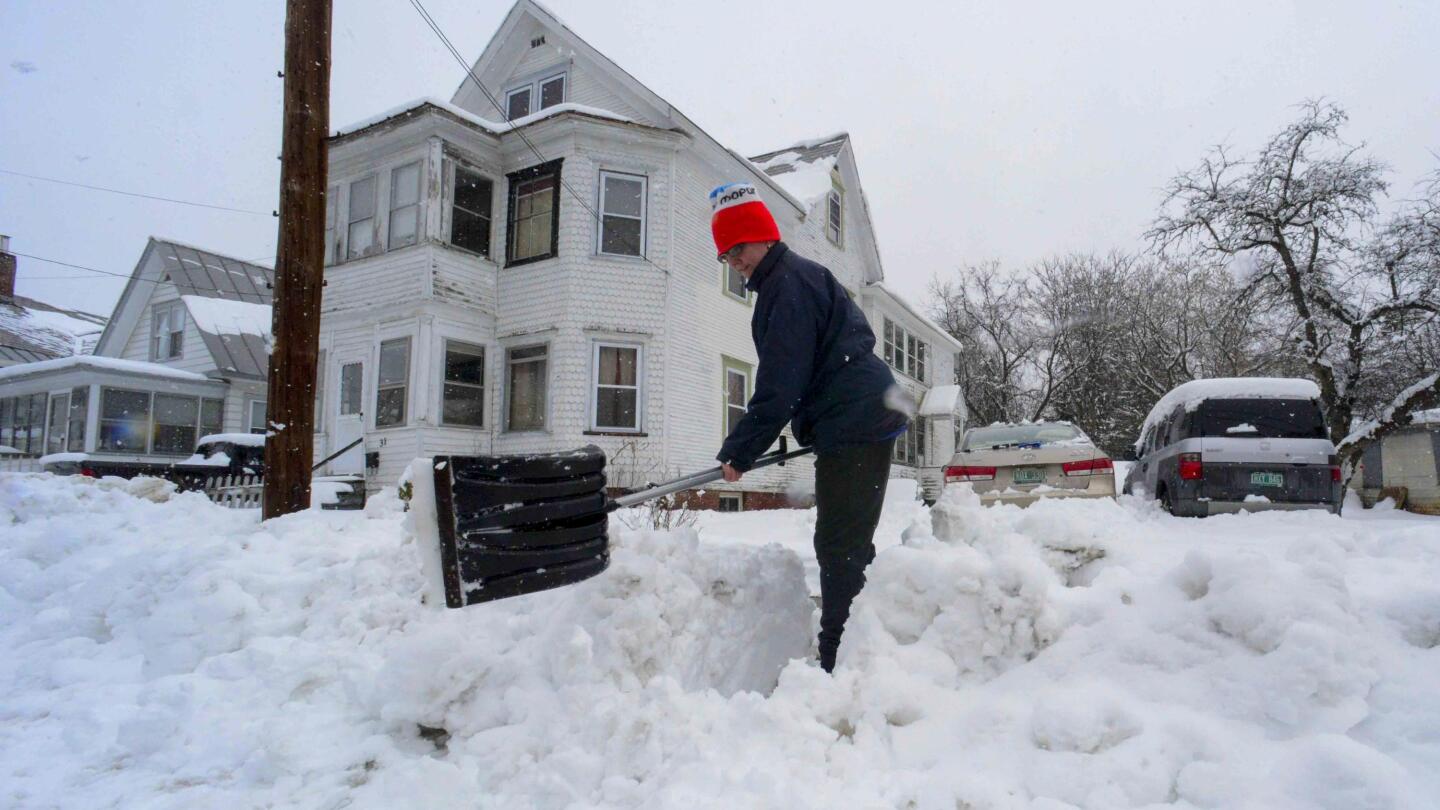
Winter storms can leave behind a wide range of issues, from roof leaks and fallen branches to interior water damage. When the snow settles and the temperatures stabilize, knowing exactly where to begin can help you prevent bigger, more expensive problems down the road. This guide walks homeowners through the immediate steps to take after a storm, with a strong focus on safety, documentation, and storm damage restoration.
- Prioritize Safety Before Anything Else
Before tackling any part of winter storm damage cleanup, ensure the environment is safe. In many cases, winter storm hazards linger long after the storm ends.
- Look for downed power lines near your home
- Avoid areas where ice may cause slipping or falling
- Watch for structural damage that could indicate instability
Storm damage restoration begins with protecting yourself and preventing further injury. If anything seems unsafe, step back and wait for professionals to assess the situation.
2. Document All Damage Thoroughly
Once you confirm the area is secure, begin documenting everything. This step is critical for insurance claims and helps restoration teams understand the full scope of your situation.
Take photos and videos of:
- Roof leaks or ceiling stains
- Damaged siding, windows, and door frames
- Fallen limbs or trees
- Burst pipes or water-soaked materials
- Interior flooding, pooling, or ice buildup
It can be helpful to walk room-to-room, noting both visible and suspected damage. Detailed documentation ensures accuracy when filing a claim and reduces the risk of overlooked issues later in the restoration process.
3. Conduct a Quick Initial Cleanup to Prevent Further Damage
Not all cleanup tasks require professional expertise. A few simple actions can slow down the progression of water or structural damage until help arrives.
For example:
- Mop or soak up standing water
- Move furniture away from affected areas
- Place buckets under active leaks
- Gently remove wet rugs and allow them to air out
- Clear walkways of snow and fallen debris
Even these small steps can reduce secondary issues such as mold growth or wood deterioration. Just avoid attempting any repairs that appear complicated or unsafe.
4. Assess Roof, Attic, and Exterior Damage
Winter storms frequently target roofs and home exteriors. Heavy snow, fallen branches, wind gusts, and ice dams often cause extensive issues.
Here are the first areas homeowners should inspect:
Roof & Gutters
Look for missing shingles, sagging areas, blocked gutters, and ice buildup. These problems can lead to ongoing leaks.
Attic
Inspect insulation and rafters. Wet insulation is a sign that moisture has entered and needs prompt attention.
Siding & Windows
High winds or frozen debris can crack siding or shatter panes, leaving the home exposed to further damage.
If any of these issues are severe, avoid DIY repairs. Professional inspection ensures hidden problems, such as structural weakening or trapped moisture—are properly identified.
5. Contact a Professional Restoration Team
While early cleanup helps stabilize the situation, a professional team is essential for complete recovery. Certified restoration experts can evaluate hazards, remove damaged materials, dry affected structures, mitigate mold growth, and rebuild what’s needed.
A reputable team will:
- Provide an immediate response
- Work directly with your insurance provider
- Use commercial-grade tools for drying, cleanup, and repairs
- Ensure your home is fully safe and structurally sound
This is also the point in the process where deeper storm damage restoration is performed, ensuring long-term protection and preventing hidden issues from returning later.
6. Prevent Future Winter Storm Damage
After cleanup and repairs, homeowners should take steps to strengthen their property before the next storm hits. A few effective prevention measures include:
- Installing gutter guards
- Improving attic insulation
- Trimming trees near the home
- Sealing windows and doors
- Having your roof inspected yearly
These proactive actions help reduce the severity of winter-related damage in the future.
Call for Professional Storm Damage Restoration
The first hours after a winter storm are critical. By prioritizing safety, documenting the damage, performing light cleanup, and calling trained experts, you can ensure your home recovers quickly and correctly. For complete storm damage restoration, trust professionals who understand the unique challenges that winter weather introduces. Their expertise helps protect your home, restore comfort, and prevent long-term complications.