
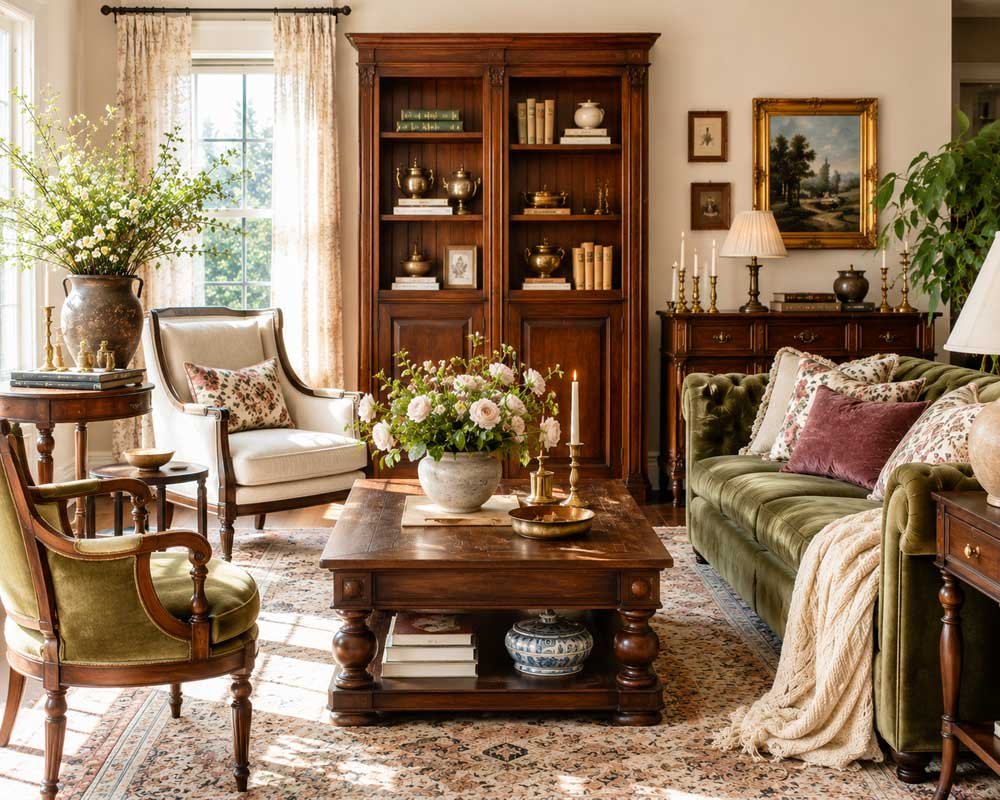
There’s something undeniably captivating about a home that feels as though it has a story to tell. Rich walnut furniture, antique-inspired details, soft candlelight, and beautifully layered textures create an atmosphere that is warm, elegant, and deeply personal. This timeless aesthetic—often called Modern Heritage—is becoming one of the most sought-after interior design styles among homeowners who want more character and less clutter.
After years of ultra-minimalist spaces filled with white walls and mass-produced furniture, many homeowners are embracing interiors that feel authentic, inviting, and lived-in. The beauty of Modern Heritage lies in its ability to celebrate traditional craftsmanship while incorporating clean, contemporary touches that keep the space feeling fresh rather than old-fashioned.
If you’ve ever admired charming English country homes, cozy European cottages, or luxurious historic residences but worried they might feel too outdated for modern living, this guide will show you how to achieve the perfect balance.
What Is Modern Heritage Style?
Modern Heritage is the art of blending timeless architectural details, heirloom-inspired furnishings, and classic materials with contemporary simplicity. Instead of recreating a historic home exactly as it once looked, this style carefully mixes old and new to create interiors that feel sophisticated yet comfortable.
Think of it as preserving the romance of traditional design while removing anything that feels overly formal or heavy.
Key characteristics include:
- Rich natural wood furniture
- Warm neutral color palettes
- Vintage-inspired décor
- Layered textiles
- Antique brass accents
- Soft ambient lighting
- Handmade ceramics
- Classic artwork
- Clean modern layouts
The result is a home that feels collected over time rather than decorated in a single shopping trip.
Why Dark Woods Are Making a Comeback
For several years, light oak and painted furniture dominated interior trends. While these styles created bright, airy rooms, many homeowners began craving warmth and personality.
Dark woods such as walnut, mahogany, oak, cherry, and espresso finishes are returning because they instantly add depth and elegance.
Unlike trendy furniture that quickly loses appeal, beautifully crafted wooden pieces age gracefully and often become even more attractive over time.
Dark wood also creates visual contrast, making lighter fabrics, neutral walls, and natural textures stand out beautifully.
Popular dark wood furniture includes:
- Dining tables
- Sideboards
- Coffee tables
- Bed frames
- Bookshelves
- Console tables
- Accent cabinets
Rather than making a room feel smaller, these pieces provide structure and richness when balanced with lighter elements.
Start With a Warm, Neutral Foundation
One of the biggest mistakes people make is pairing dark furniture with equally dark walls and heavy décor.
Modern Heritage interiors work best when dark wood becomes the focal point against a soft backdrop.
Excellent wall colors include:
- Warm ivory
- Soft cream
- Mushroom beige
- Greige
- Pale taupe
- Warm stone
- Light linen
These shades reflect natural light while allowing wooden furniture to become the star of the room.
Avoid stark, cool whites, which can make traditional furniture appear disconnected from the rest of the space.
Choose Furniture That Feels Timeless
Rather than filling every room with matching furniture sets, select individual pieces that complement one another.
A walnut dining table paired with upholstered dining chairs creates far more interest than an identical matching collection.
Mix furniture styles thoughtfully:
- Traditional wooden dining table with modern chairs
- Antique chest beside a contemporary bed
- Vintage sideboard beneath minimalist artwork
- Curved armchair beside a sleek floor lamp
- Heritage coffee table with a modern sofa
The contrast is what gives Modern Heritage its charm.
Add Storybook Romance Through Soft Textures
Romantic interiors are less about excessive decoration and more about creating warmth through layered textures.
Imagine entering a room filled with soft linen curtains gently moving in the breeze, velvet cushions resting on a comfortable sofa, and woven throws inviting you to relax.
Introduce tactile materials such as:
- Linen curtains
- Cotton bedding
- Wool blankets
- Velvet cushions
- Embroidered pillows
- Woven baskets
- Natural jute rugs
- Chunky knit throws
Layering these elements makes even a simple room feel luxurious.
Embrace Vintage-Inspired Décor
Every Modern Heritage home should include pieces that appear to have been collected over many years.
You don’t need expensive antiques.
Instead, look for décor that offers character:
- Vintage mirrors
- Framed botanical prints
- Ceramic vases
- Brass candle holders
- Old books
- Handmade pottery
- Decorative trays
- Marble accessories
The goal isn’t perfection—it’s personality.
Every object should contribute to the story your home tells.
Let Dark Woods Shine
Dark furniture deserves room to breathe.
Avoid overcrowding each area with too many decorative accessories.
Instead:
- Leave space around statement furniture.
- Keep tabletops relatively uncluttered.
- Display only a few meaningful accessories.
- Allow natural wood grain to remain visible.
Beautiful craftsmanship rarely needs excessive decoration.
Bring Nature Indoors
One reason Modern Heritage interiors feel timeless is their connection to nature.
Fresh greenery softens darker furniture and introduces life into every room.
Some excellent choices include:
- Olive trees
- Eucalyptus
- Ferns
- Fiddle Leaf Fig
- Rubber plants
- Fresh flowers
- Dried hydrangeas
- Seasonal branches
Natural materials such as stone, marble, rattan, and woven baskets further enhance the organic atmosphere.
Use Lighting to Create Atmosphere
Lighting often determines whether a heritage-inspired room feels elegant or outdated.
Instead of relying solely on bright overhead fixtures, layer multiple light sources throughout the room.
Include:
- Table lamps
- Floor lamps
- Wall sconces
- Candles
- Picture lights
- Pendant lighting
Choose warm white bulbs rather than cool daylight bulbs to create a welcoming glow.
Soft lighting highlights wood grain beautifully and adds depth during evenings.
Introduce Romantic Color Accents
While neutral colors dominate the palette, carefully chosen accent colors can create a truly enchanting atmosphere.
Beautiful combinations include:
- Sage green
- Dusty rose
- Olive
- Deep forest green
- Soft terracotta
- Burgundy
- Navy blue
- Muted gold
These shades complement dark woods without overwhelming the room.
Use them through:
- Cushions
- Artwork
- Curtains
- Upholstery
- Decorative accessories
Mix Old and New With Confidence
One defining feature of Modern Heritage is contrast.
An antique console table beneath abstract artwork instantly feels current.
Similarly, a sleek modern sofa paired with a century-inspired coffee table creates visual balance.
Aim for approximately:
- 70% timeless pieces
- 30% contemporary accents
This prevents your interiors from looking like a museum while preserving their classic charm.
Create Cozy Reading Corners
Storybook-inspired homes always include inviting spaces designed for quiet moments.
Transform an unused corner with:
- Comfortable armchair
- Wooden side table
- Soft lamp
- Vintage books
- Cozy throw
- Small plant
These intimate areas encourage relaxation while enhancing the overall character of your home.
Don’t Be Afraid of Imperfection
Modern Heritage celebrates authenticity.
Small imperfections often make a room feel more welcoming.
Embrace:
- Natural wood knots
- Handcrafted pottery
- Slightly aged brass
- Worn leather
- Vintage frames
- Handmade textiles
These details create warmth that perfectly polished interiors often lack.
Common Mistakes That Make Heritage Style Look Dated
To keep your home feeling current, avoid these common pitfalls:
Buying Matching Furniture Sets
Layer different styles instead of purchasing identical collections.
Overusing Heavy Fabrics
Balance velvet and brocade with airy linen and cotton.
Filling Every Surface
Leave breathing room for statement pieces to stand out.
Ignoring Natural Light
Open curtains during the day and use mirrors to reflect sunlight.
Decorating Only With Antiques
Mix classic pieces with modern lighting, artwork, and accessories for a balanced look.
Budget-Friendly Ways to Achieve the Look
Creating a Modern Heritage home doesn’t require a complete renovation or designer furniture.
You can gradually build the aesthetic by:
- Refinishing existing wooden furniture instead of replacing it.
- Shopping vintage markets and estate sales.
- Mixing affordable décor with one standout investment piece.
- Updating cabinet hardware with antique brass finishes.
- Replacing synthetic fabrics with natural materials.
- Styling open shelves with books, ceramics, and greenery.
Over time, your home will develop a collected, lived-in charm that feels uniquely yours.
Styling Checklist for a Modern Heritage Home
Before you finish decorating, ask yourself:
- Does the room include at least one beautiful dark wood focal piece?
- Have you balanced rich materials with light, neutral walls?
- Are textures layered through rugs, cushions, curtains, and throws?
- Have you mixed vintage-inspired pieces with modern accents?
- Is the lighting warm and inviting?
- Are decorative items meaningful rather than excessive?
- Have you included greenery or natural elements?
- Does the room feel comfortable enough to truly live in?
If you can answer “yes” to most of these questions, you’re well on your way to creating a home that feels timeless, elegant, and deeply personal.
Final Thoughts
Modern Heritage is more than a decorating trend—it’s a philosophy that values craftsmanship, comfort, and character. By layering rich dark woods with soft textiles, romantic details, and carefully chosen contemporary accents, you can create interiors that feel both timeless and relevant.
The beauty of this style lies in its ability to evolve with you. Whether you start with a single walnut coffee table, an antique mirror, or a cozy reading nook, each thoughtful addition contributes to a home that reflects your story rather than fleeting trends.
Instead of chasing every new design craze, embrace the warmth of natural materials, the charm of collected pieces, and the quiet elegance of spaces designed to be loved for years to come. Your home doesn’t need to look like a museum to feel historic—it simply needs to tell a story that is uniquely yours.